
Welcome to Mercury!

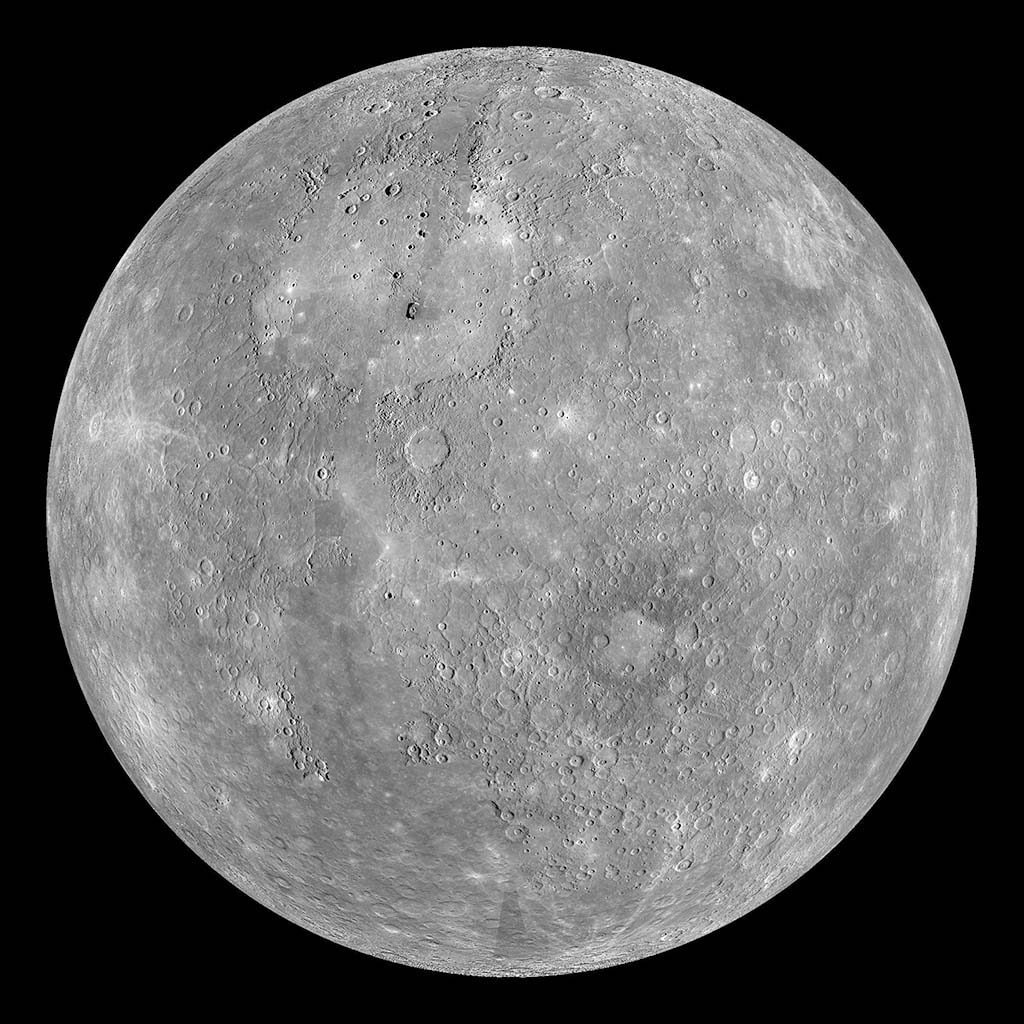
The speedy little planet
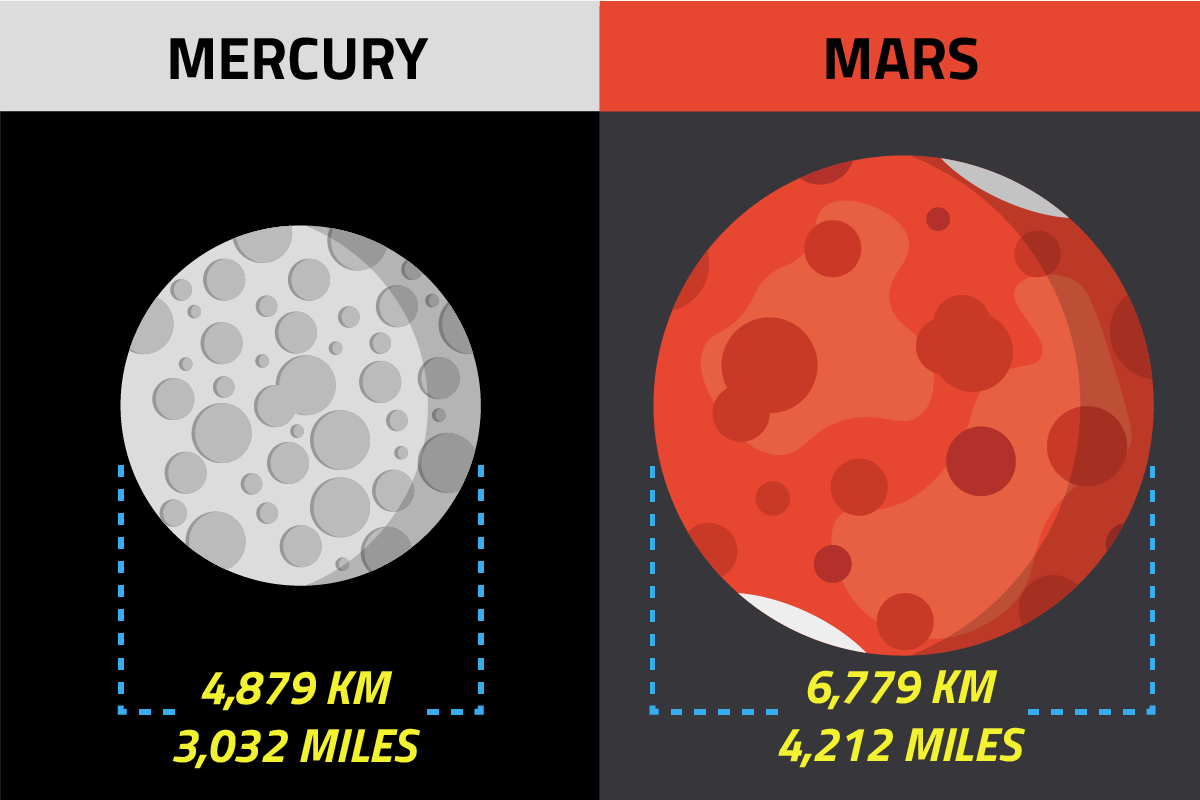
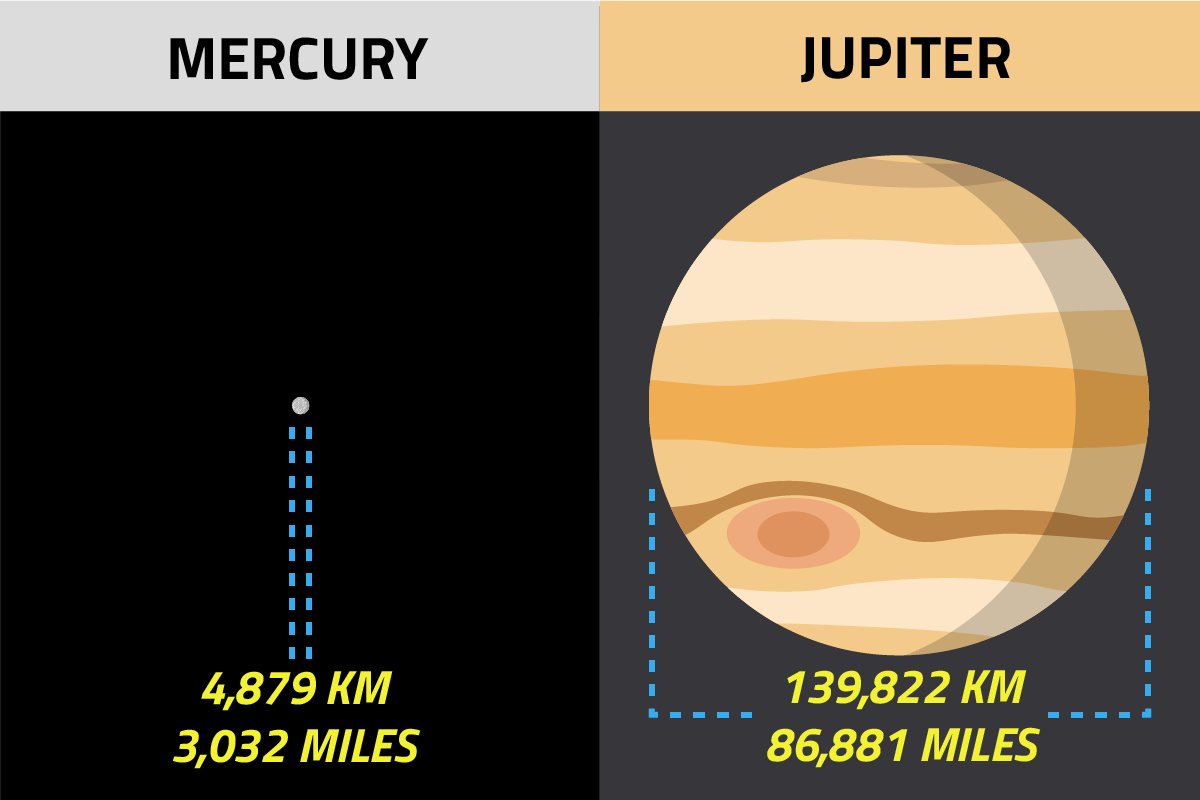
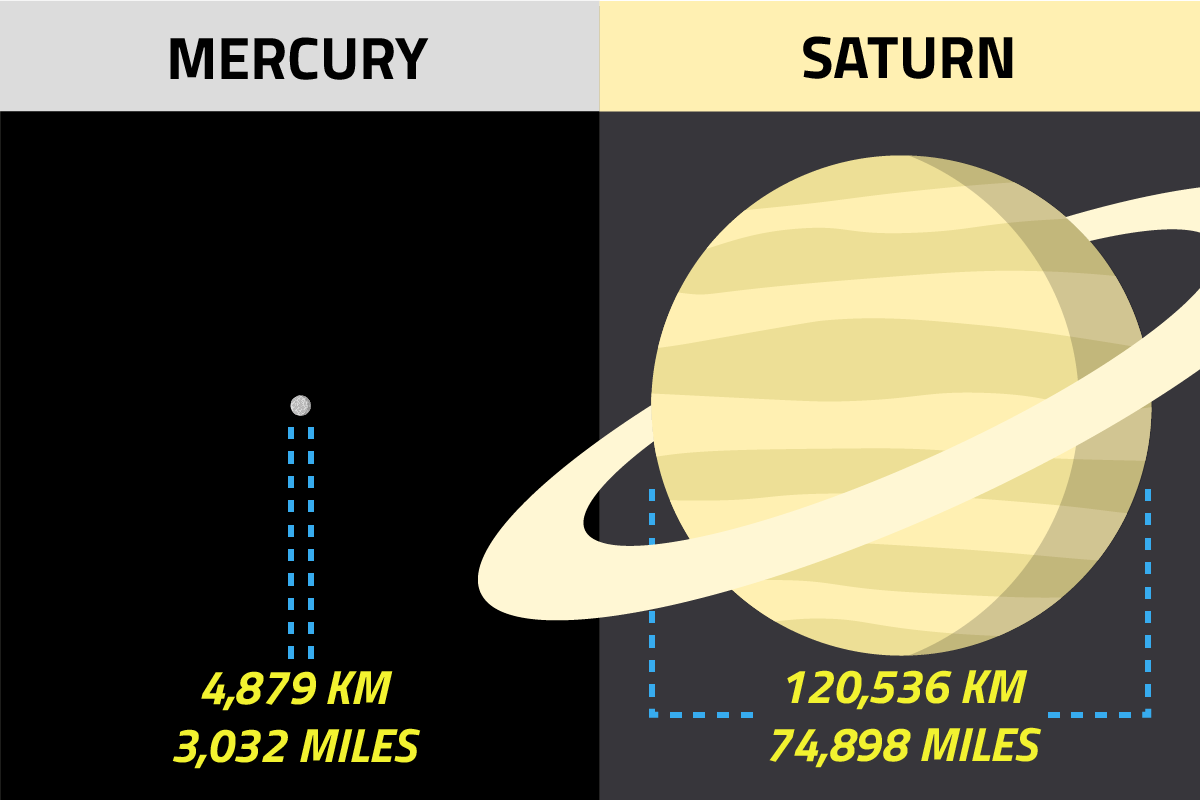
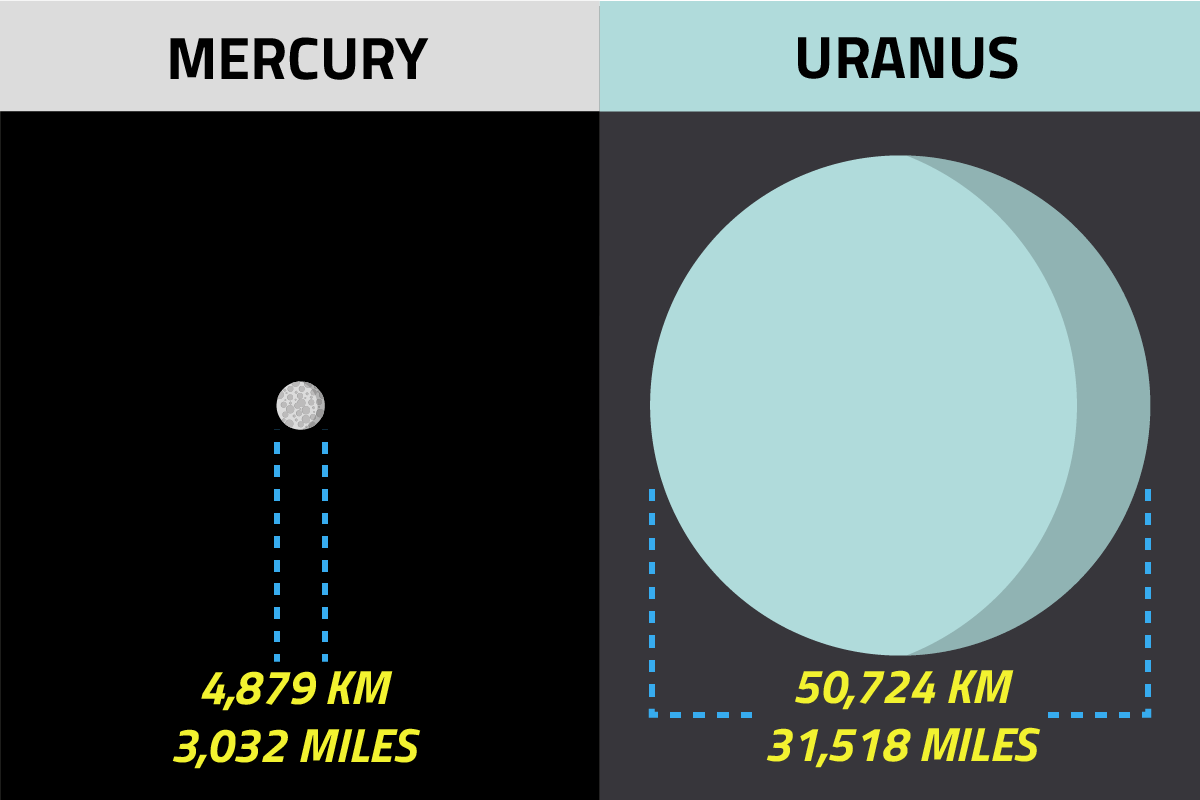
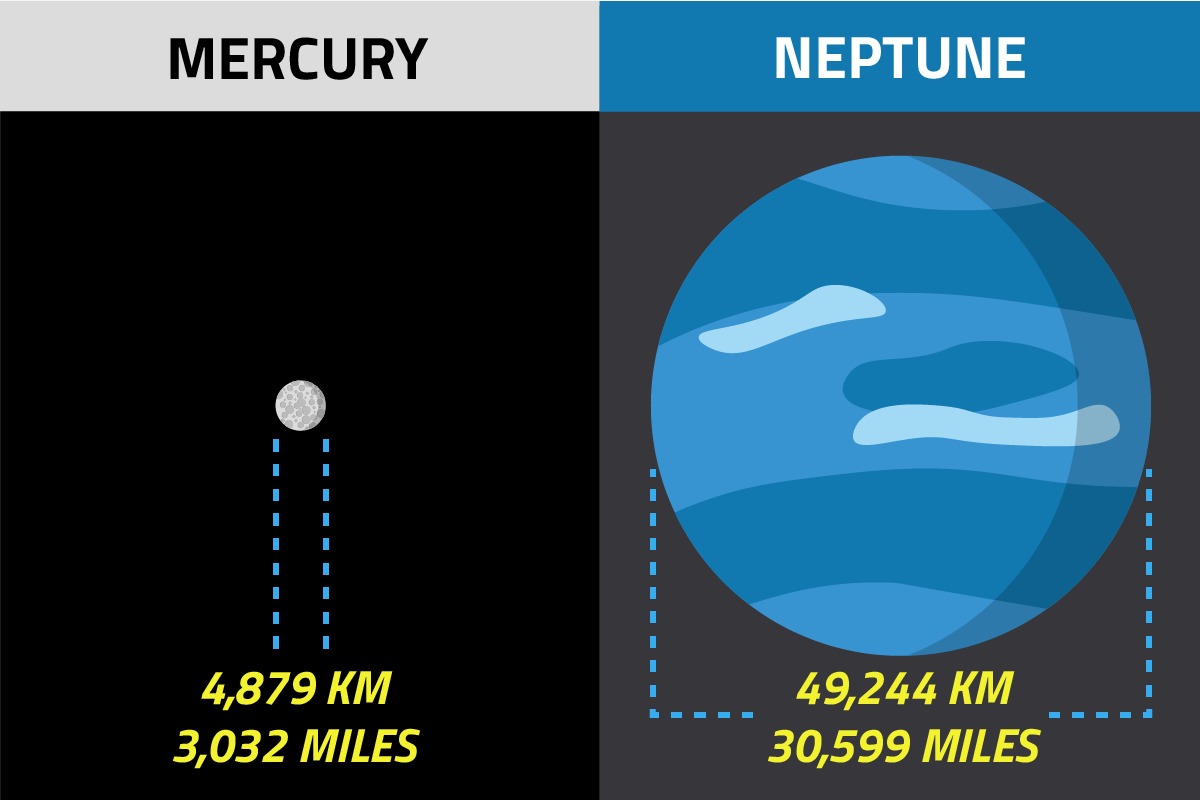
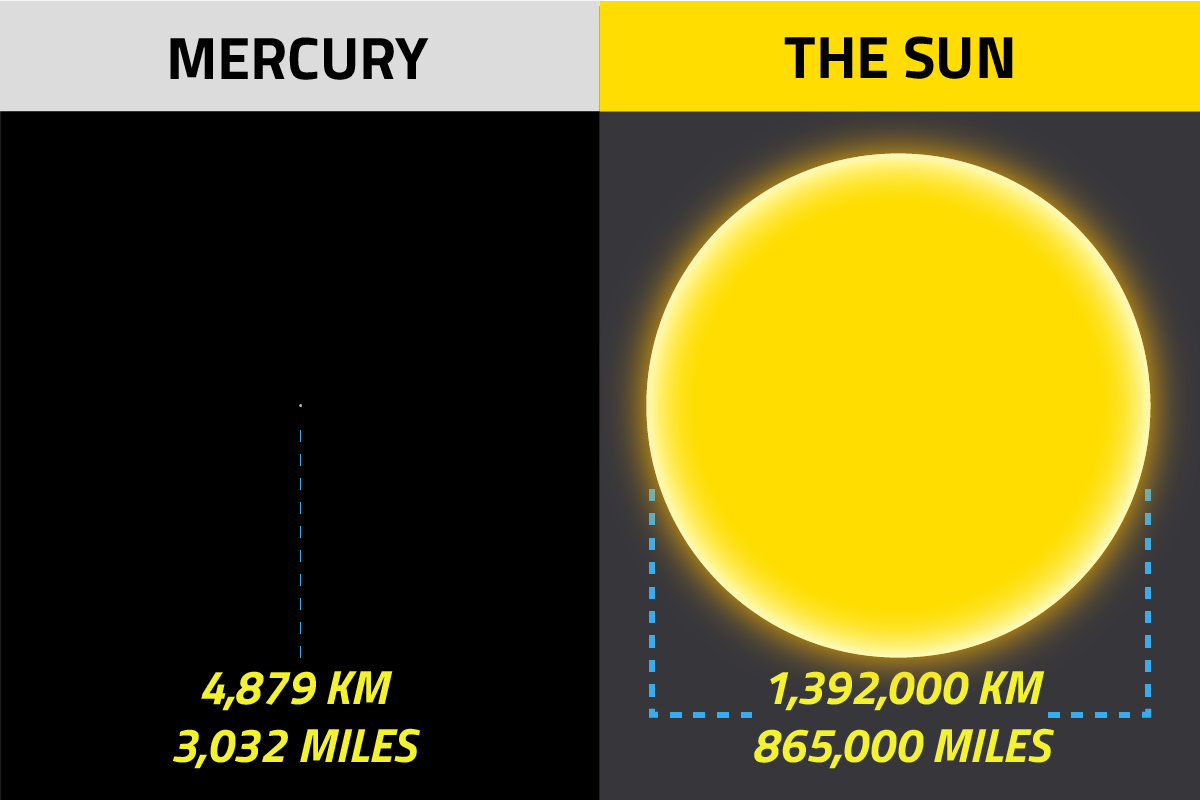
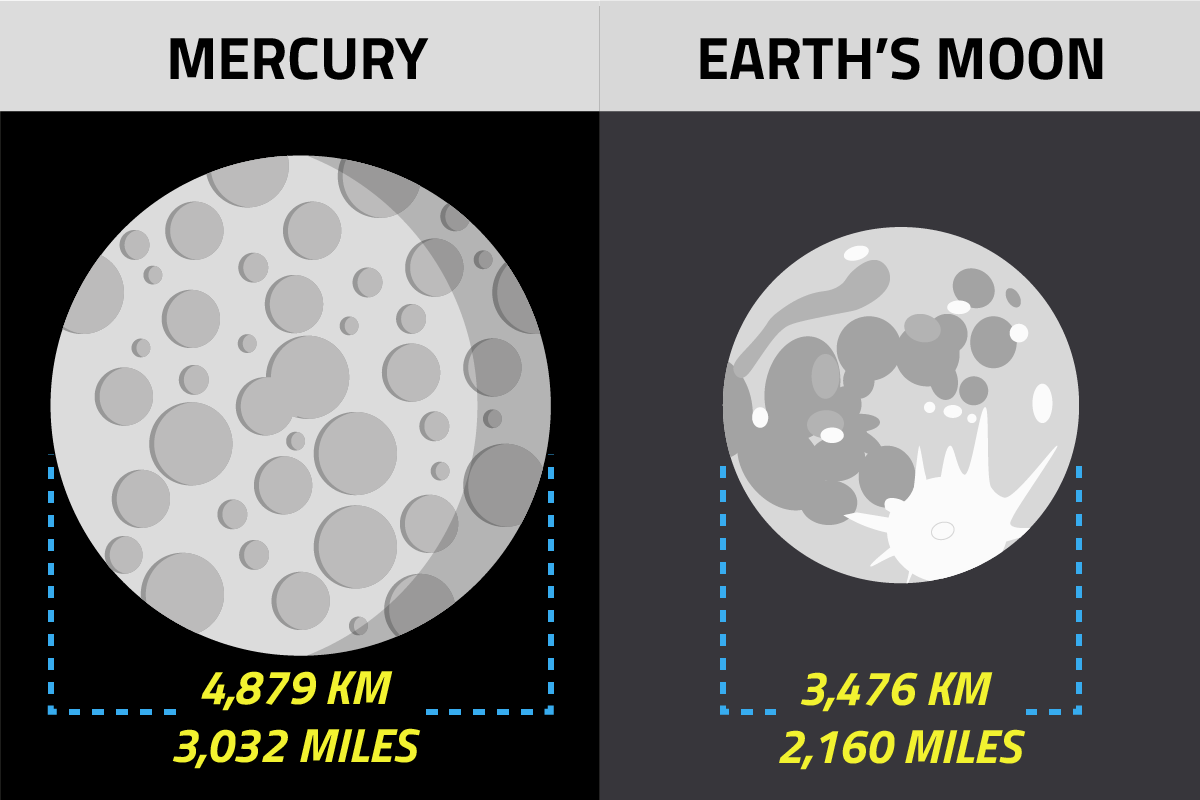
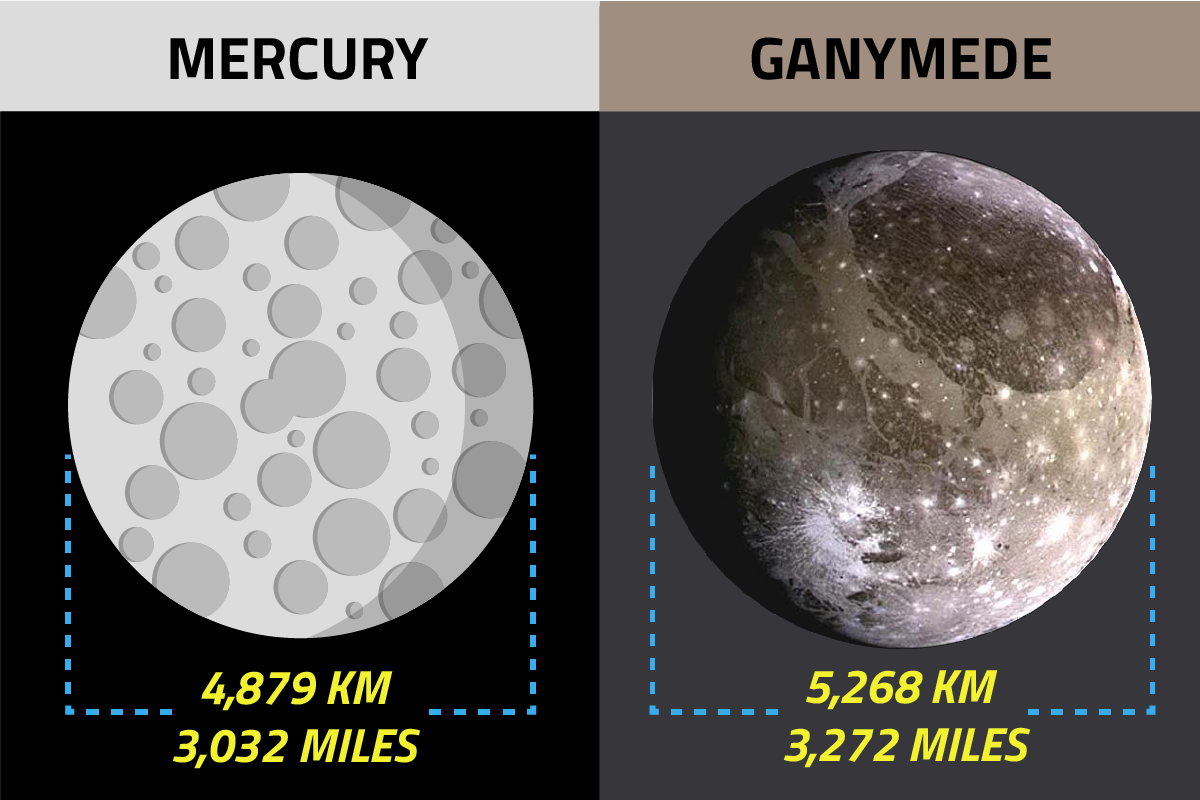
Mercury is the closest planet to the Sun and the smallest planet in the Solar System. It races around the Sun faster than any other planet, completing one orbit in just 88 Earth days.
Although Mercury is close to the Sun, it is not the hottest planet. With almost no atmosphere to trap heat, its surface can be extremely hot during the day and freezing cold at night.
Mercury quick facts
Position
First planet from the Sun
Planet type
Terrestrial planet
Average distance
57,909,000 km
35,982,973 milesDiameter
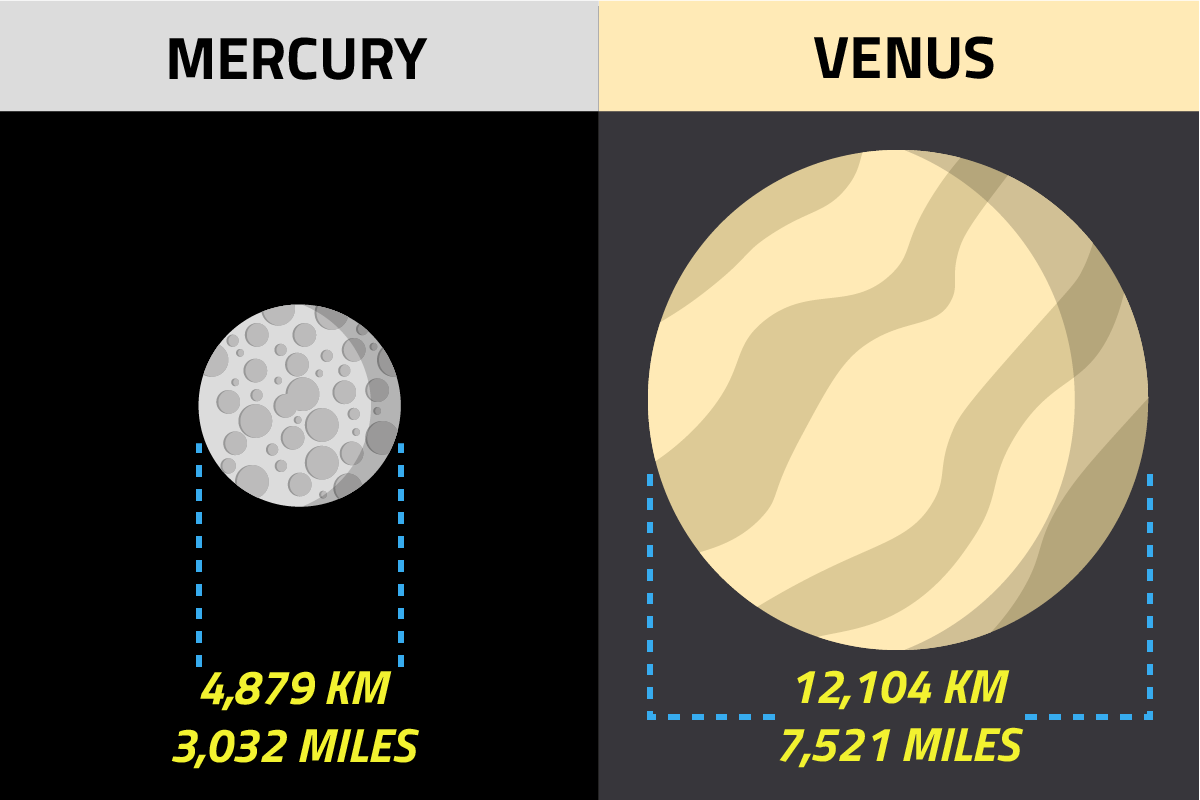
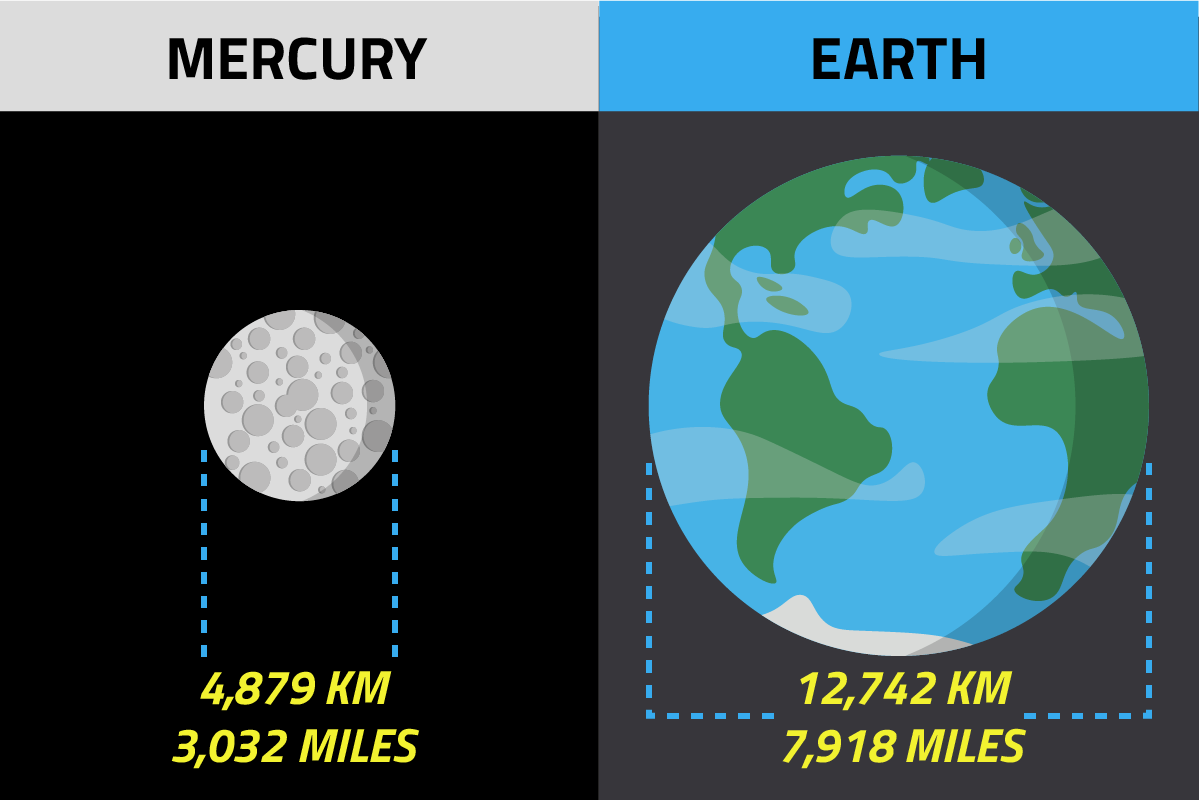
4,879 km
3,032 milesDay length
59 days
Year length
88 days
Temperature
Min: -180 °C / -290 °F>
Max: 430 °C / 800 °F
Moons
Mercury in context
Where is Mercury?
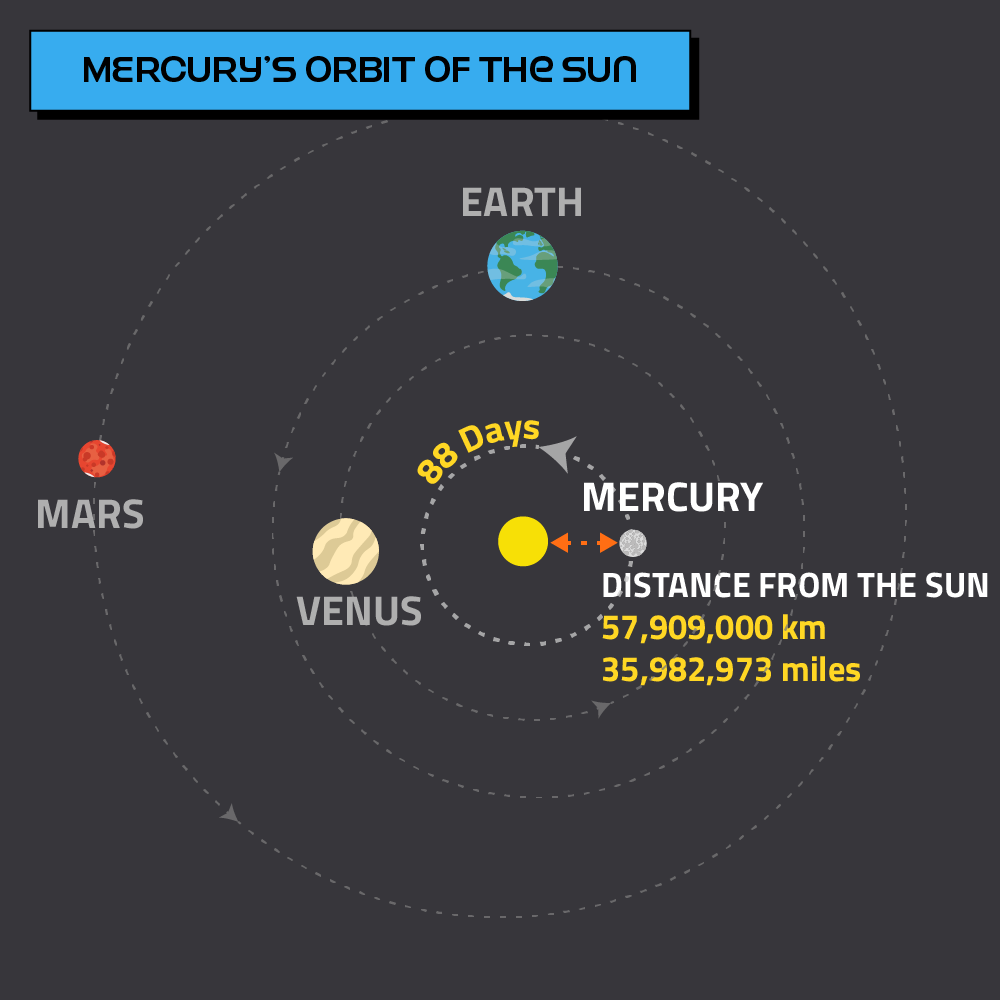
Mercury is the closest planet to the Sun. Its orbit is small and fast, meaning it completes a year in just 88 Earth days.
Explore Mercury
Find out more about Mercury by exploring its extreme temperatures, cratered surface, hidden ice, space missions and rare transits across the Sun.
How hot is Mercury?
Find out why Mercury is extremely hot during the day but freezing cold at night.
Explore Mercury's temperature →Mercury's Craters
Discover why Mercury’s surface is covered with craters and what they reveal about its history.
Explore Mercury's craters →Water on Mercury?
Learn how water ice can survive inside deep craters, even though Mercury is closest to the Sun.
Explore water on Mercury →Missions to Mercury
Meet the spacecraft that have visited Mercury, including Mariner 10, MESSENGER and BepiColombo.
Explore Mercury missions →Mercury Transit of the Sun
Find out what happens when Mercury passes directly in front of the Sun as seen from Earth.
Explore Mercury transits →Fourteen Facts about Mercury
A quick collection of fascinating facts about the Solar System’s smallest planet.
Read Mercury facts →